
Week of August 17: The bite is back!
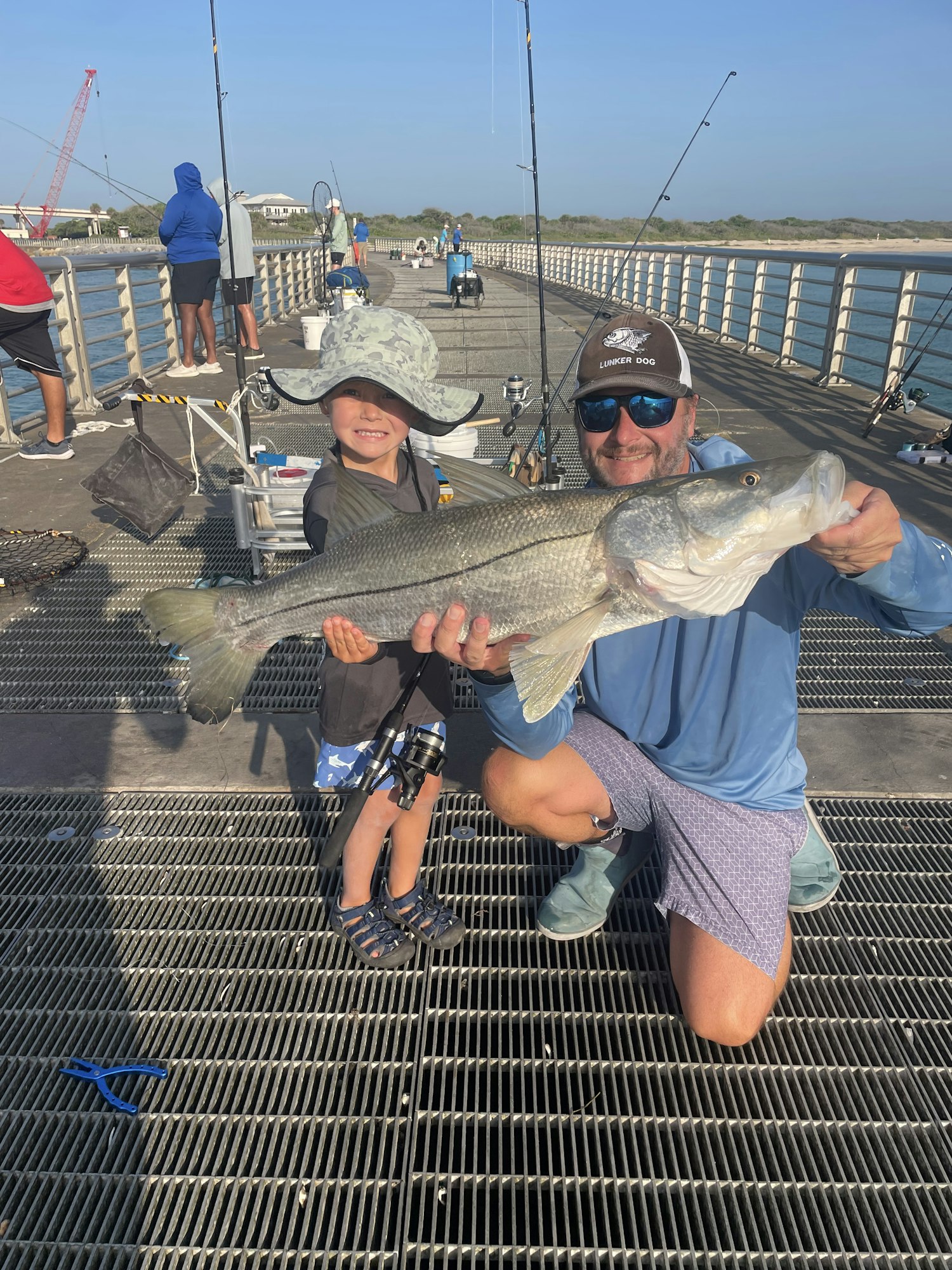
Today’s (August 27) forecast calls for partly cloudy skies, a high of 92 degrees, West winds of 7 mph becoming East winds of 7 mph in the afternoon, and flat seas.
Our fishing guide, “Snookman” Wayne Landry says conditions have improved since last week’s
brief and melancholy report:
“Hello, all you Sebastian Inlet friends and fans; I hope everyone enjoyed the nice hot weekend! This week’s report is much better than the last one, mainly because the water has stayed pretty clean on the north side and throughout the inlet as a whole. It’s not too bad on the south side, either.
The water temperature has risen to a more seasonal 85 degrees as of this writing, plus there are a TON of baitfish around the north jetty, and big schools of mullet coming down the beach and into the inlet! The last four times I was at the inlet — Monday, Friday, Saturday, and Sunday - there have been large schools of them in the surf, along the jetty and into the inlet. I'm not saying that the mullet run has begun, but this is a good sign, I hope. I also saw massive schools of greenies and pilchards, which along with the very warm water has ignited the mangrove snapper bite nicely. The mullet improved the snook bite — lots of fish caught, along with big jack crevalle. So, with that all said, here we go!!
North Jetty: Most of the action has been here during the early morning high incoming tide. Snook, big jacks, and a few redfish were caught on live mullet mostly, but some have been caught on live shrimp and croakers, but they want the mullet. Same tide, in and around the pilings and rocks at the tip the mangrove, the snapper bite has picked up considerably on live and dead greenies. Most of the fish caught are around the 10 to 11-inch range, but several nice fish in the 11 to 14-inch range caught, and a few bigger than that. Some of the guys I chatted with did get their limits. Outgoing tide in the pilings and rocks at the tip has also been producing the mangrove snappers, but not quite as good as the incoming high tide has. Same baits, live and dead greenies. At the tip on this outgoing tide the snook bite has been decent on live mullet and croakers, but they prefer the mullet, and there are plenty of them around. Back along the wall by the bait shop and cleaning table, the snapper bite has been decent as well on the incoming tide, and a few on the outgoing before the water drops out too low. Live and dead greenies are the baits.
South Jetty: My contacts that fish here say the mangrove snapper bite has been rather good on the incoming tide, worth the long walk up the beach! Live and dead greenies and shrimp are accounting for the catches. Most have been in the 11 to 13-inch range. Catch-and-release snook are playing as well on the incoming tide, mullet, croakers, and pinfish.
T-Dock Area: Back here, the fishing has been slow due to limited access at the dock. Small snappers of various varieties were caught on the live and dead greenies around the rocks and dock pilings, both tides. Nobody has been fishing for anything else, so no word on the snook. Black margates and small sheepshead were also caught in front of the rocks at the little pool area — use dead cut shrimp.
Surf Area, both sides: I don't have any report for these areas due to the lack of anglers fishing them, and no access to the south side beach. The north side is still exceptionally low with the big sandbar, even on a high tide — no water to fish.
Well, that's all I have for this week. It’s better than last week, and as we head toward autumn, with all the baitfish showing up, we may experience a great fall fishing season! Everyone have a great week!” — Snookman.
Also, solar lights added to inlet channel markers
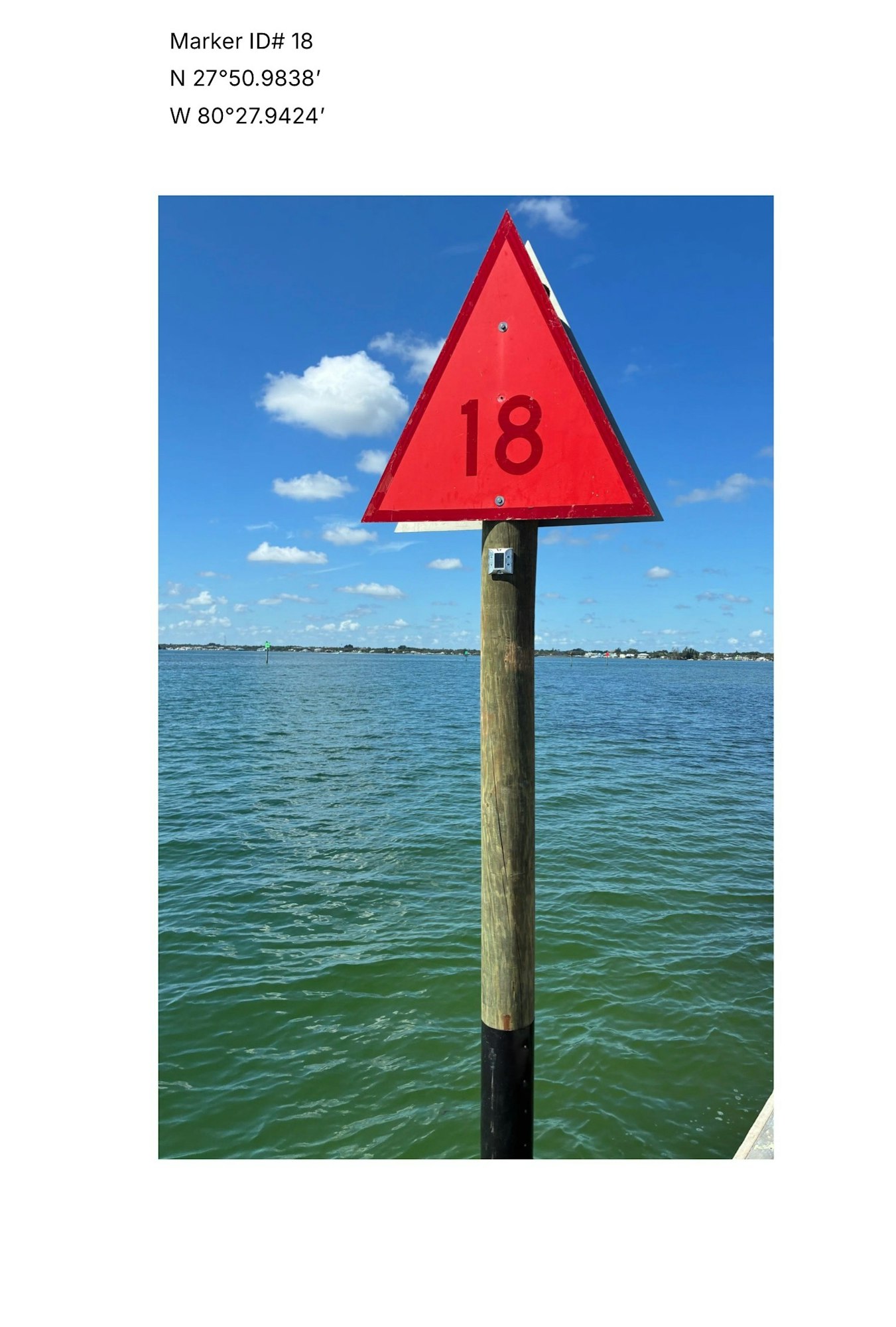
We've launched a pilot project in an effort to reduce boat strikes in the Sebastian Inlet channel. In addition to repairing channel markers Red 18 and Red 26, we've installed 50 small solar lights on all wood pile channel markers. (A solar light is visible below Marker 18 in this photo).
Channel markers take a beating. They’re exposed to a ceaseless onslaught of pounding waves, corrosive saltwater, searing UV rays and acidic bird guano. Most of the markers are fixed on posts in the water; a few are numbered floating buoys secured by Dor-Mor anchors.
When the District receives reports of downed or missing markers, the agency is quick to respond.
“As a navigation district, our charter identifies safe navigation as one of our critical functions,” says Sebastian Inlet District Executive Director James Gray. “Our agreement with the Coast Guard authorizing us to maintain the markers also means we are responsible for replacing them when they become damaged or go missing.”
Channel markers help prevent boaters from veering from the deeper water and into the nearby shallows that can damage propellers, but they also help protect the Sebastian Inlet shoals on the west side of the bridge. Seagrass beds on the shoals harbor shrimp, blue crabs and juvenile fish. Seagrasses are vitally important to the health of these species and to predators relying on them for food.
You can report downed channel markers by calling us a (321) 724-5175, sending us a message or reporting to us on our app, available on your app store (and downloadable via a QR code on our website.