
2025 Seagrass Report: Sebastian Inlet Seagrass Shows Increased Density in 2025, Continuing Long-Term Recovery
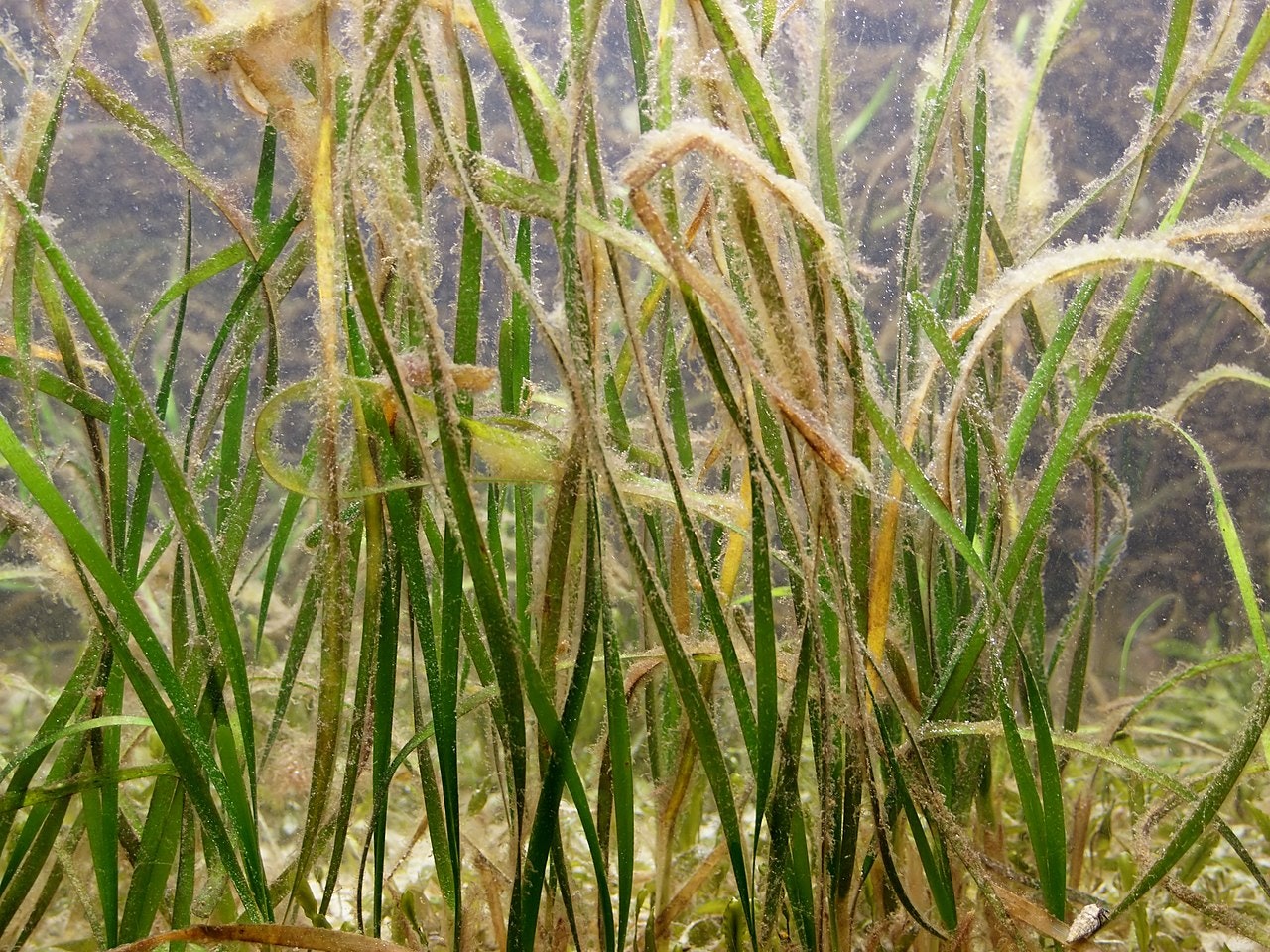
2025 Seagrass Monitoring Report: Encouraging Signs of Recovery at Sebastian Inlet
Seagrass beds near Sebastian Inlet showed encouraging signs of improvement in 2025, with denser growth compared to 2024, although some areas experienced losses. According to the Sebastian Inlet District's 2025 Annual Seagrass Monitoring Report, prepared by environmental consultant AtkinsRéalis, seagrass continues its long-term recovery following the widespread losses experienced in 2011 and 2012.
How did seagrass fare compared to 2024?
One of the most encouraging findings was an increase in seagrass density, meaning the grass was growing more thickly in areas where it was present.
Of sampling areas containing seagrass had more than 50% coverage.
0%25%50%75%100%20242025
Source: 2025 Annual Seagrass Monitoring Report, page 18.
This five-percentage-point increase was largely driven by shoal grass (Halodule wrightii), the most common seagrass species found during the survey. Areas with more than 50% coverage of this species increased from 36.44% of seagrass-containing sampling locations in 2024 to 49.06% in 2025.
However, Johnson's seagrass (Halophila johnsonii) was found less frequently, declining from 59.69% of seagrass-containing sampling locations in 2024 to 31.45% in 2025. Researchers noted that seasonal changes may have contributed to the decline, as this species had already shown signs of browning and blade loss earlier in the year.
Where is seagrass improving?
The report identified several changes across the six designated monitoring zones near Sebastian Inlet.
- Zone A: Seagrass expanded in several areas, resulting in an estimated net gain of approximately half an acre compared to 2024.
- Zone B: Seagrass appeared to maintain nearly 100% coverage.
- Zone C: Some areas experienced additional thinning and new bare patches, although seagrass expanded near the southern tip.
- Zone D: Small areas of seagrass loss were observed.
- Zones E and F: Conditions appeared relatively stable, with minimal overall changes.
A promising long-term recovery
The 2025 findings are especially encouraging when viewed against the history of seagrass loss in the Indian River Lagoon.
Following a major algal bloom in 2011, seagrass coverage in the monitored areas declined dramatically, from nearly 112 acres in 2010 to approximately nine acres in 2012.
Recovery began in subsequent years, and by 2021, seagrass coverage had rebounded to approximately 123 acres, exceeding the acreage recorded before the die-off.
Although the overall acreage has remained relatively stable in recent years, the report emphasizes that today's seagrass beds differ from those that existed before 2011. They contain less of the taller, more substantial manatee grass (Syringodium filiforme), meaning that the total amount of seagrass plant material, or biomass, remains substantially lower despite the recovery in acreage.
Challenges remain
Researchers observed widespread accumulations of drift algae and some cyanobacterial growth on seagrass blades during the 2025 survey. Although no harmful effects from the drift algae were observed at the time, these conditions warrant continued attention because they can indicate elevated nutrient levels.
The report also notes an important limitation: suitable aerial photographs could not be obtained in 2025 because of technical difficulties and unfavorable weather. Consequently, researchers could not reliably calculate the total change in seagrass acreage from 2024 to 2025. Based on field observations, they believe the overall seagrass area likely remained stable or decreased slightly.
The bottom line
Seagrass near Sebastian Inlet is generally growing more densely than it was in 2024, providing an encouraging indication of continued recovery. While some locations experienced losses and certain species declined, the overall findings suggest that the seagrass beds have maintained much of their recovery over the past decade.
Continued monitoring will be important to determine whether these improvements persist and to identify potential threats to this valuable habitat.
Source: AtkinsRéalis, 2025 Annual Seagrass Monitoring Report, January 9, 2026, particularly pages 13, 18, and 23–24.
Posted October 21, 2026